Shinjo Origin & Historical Background
The last name Shinjo is one of the many last names with strong historical and cultural roots in Japan. It originated from traditional Japanese Kanji (Chinese characters incorporated into the Japanese language), often interpreted as "new castle" or "new location," which represent geographical identity and settlement patterns. Historically, it was not uncommon for last names like Shinjo to be linked to either clan (land ownership) or region (geographical ties) during the feudal period of Japan. As a result, various families that lived together in a specified area within Japan developed their identity based on their connection to that area through lineage and heritage.
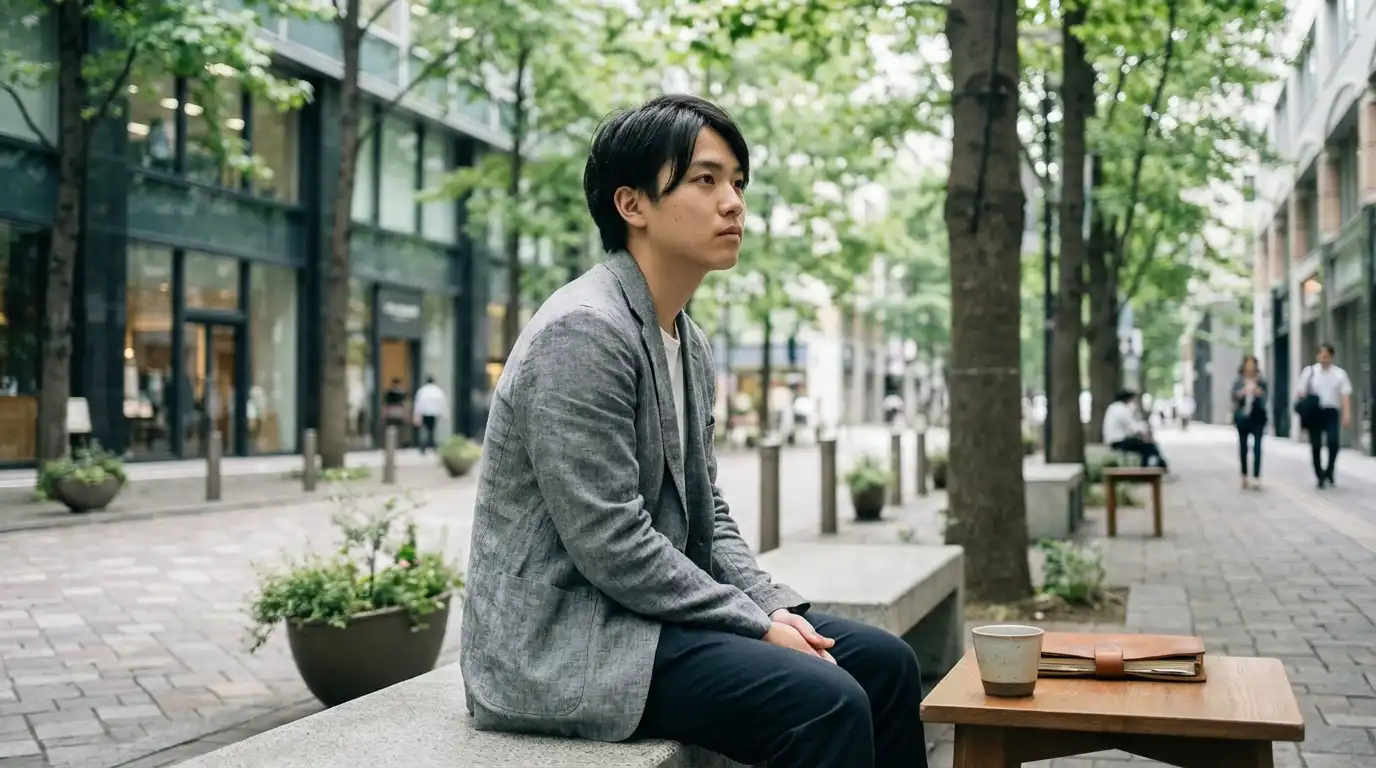
The meaning or significance of the Shinjo
last name represents renewal, strength, and a new establishment. The "shin" portion of the name translates to "new," and the "jo" portion can mean "castle" or "fort," indicating protection and stability. When combined, these elements provide the following meanings:
A beginning or foundation
Strength based on tradition
Identity as a protective and/or resilient family
As such, the Shinjo surname is a meaningful and honorable name that is often associated with those who aspire to create through growth and value their history.
As with many Japanese surnames, there are many potential variations and/or spellings of Shinjo that might be attributed to either romanization or how the surname is pronounced regionally. While the standard way to spell Shinjo is the same, some variations include:
Shinjō (with the macron to indicate a long vowel)
Sinjo (less common/simplified romanization)
The meaning and cultural identity are the same despite these minor variations. The meaning of the term used also has minor variations in kanji that will change the way the term is interpreted slightly.
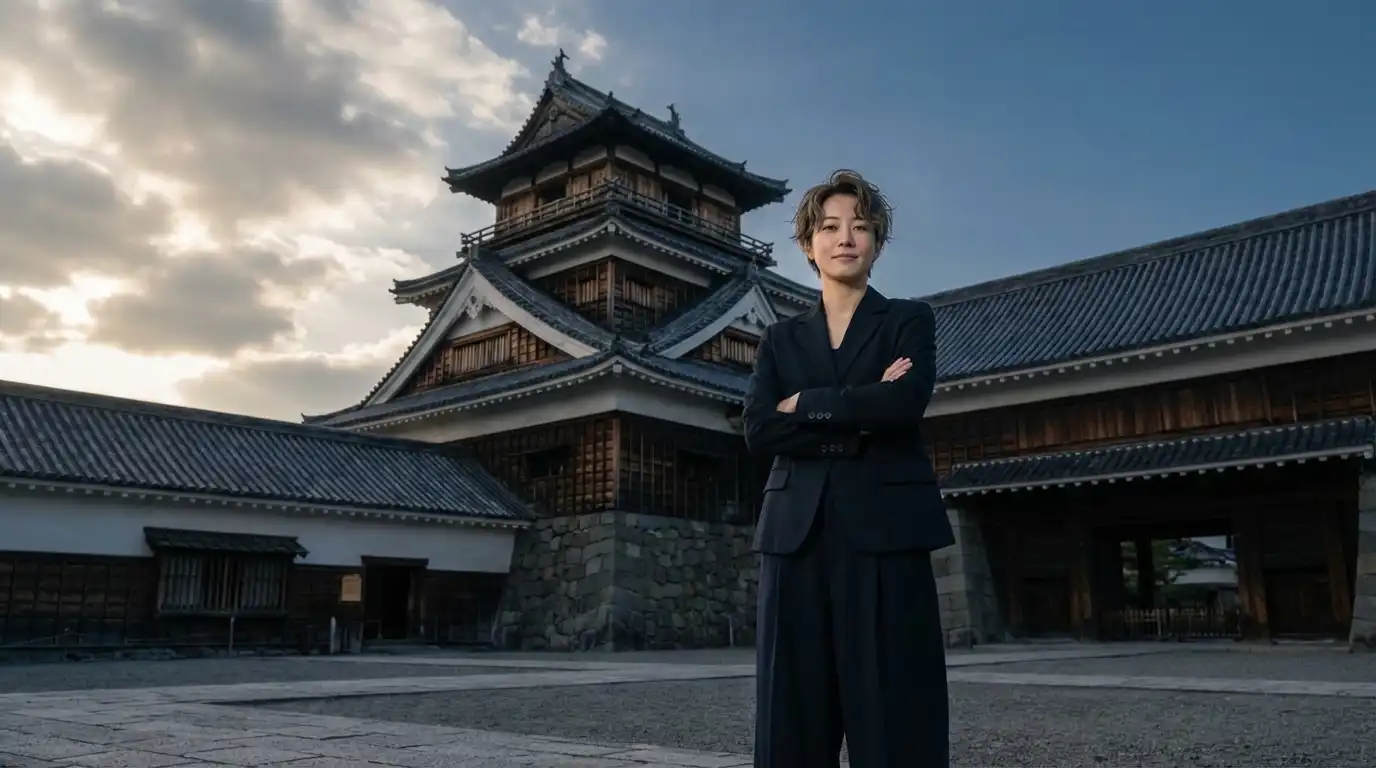
Popularity & Trends
The surname Shinjo is relatively uncommon outside Japan but holds steady recognition within Japanese communities. In recent years, global interest in Japanese culture has increased awareness of such surnames.
Moderately known in Japan
Rare but recognizable internationally
Gaining visibility through media and migration
Its uniqueness adds to its appeal, especially among those interested in culturally rich and distinctive names.
Gender & Category
Shinjo is a family name rather than a given name, making it gender-neutral by nature. It is used equally across all genders as a surname.
Category: Japanese surname
Usage: Family/last name
Gender: Unisex (surname usage)
This universality reinforces its role as a shared family identity rather than an individual descriptor.
Nature, Cosmos & Symbolism
Symbolically, Shinjo blends natural and structural imagery. The idea of a “new castle” evokes both human craftsmanship and harmony with the surrounding environment. Castles in Japanese culture were often built with respect for nature, integrating landscapes into their design.
The name suggests:
Renewal and progress (new beginnings)
Strength and protection (castle imagery)
Balance between tradition and change
This symbolic depth gives the surname a timeless and elegant character.
Similar & Related Names
If you’re drawn to the Shinjo last name meaning, you might also appreciate names like Sandra and Emmaline. While they come from different cultural backgrounds, both share a sense of elegance, classic appeal, and meaningful identity. These names reflect strength and grace, offering alternative options for those who value depth and timeless charm in naming traditions.
Common Questions & Answers
What is the origin and meaning of the Shinjo surname?
The name Shinjo is of Japanese origin, typically combining kanji for "new" and "castle" or "fortress." This translates to a "new settlement," symbolizing a fresh beginning, protection, and a family legacy rooted in strength and stability.
How does the name Shinjo reflect Japanese history?
Historically, Shinjo was linked to land ownership and regional clans during feudal Japan. Surnames involving "castles" often denoted families associated with specific territories or defensive structures, emphasizing a lineage of guardianship and communal importance.
Are there different ways to spell or pronounce Shinjo?
While the standard romanization is Shinjo, it is often written as Shinjō with a macron to indicate a long vowel sound. Depending on the specific kanji characters used by a family, the subtle nuances of the name's meaning can vary slightly between lineages.
Is the last name Shinjo common outside of Japan?
Within Japan, it holds steady recognition, but it remains a relatively rare and unique surname internationally. Its growing visibility is largely due to global interest in Japanese media, migration, and the modern appeal of culturally distinct and meaningful family names.
What is the symbolic significance of the name Shinjo?
Symbolically, it represents a balance between tradition and progress. The "castle" imagery evokes structural resilience and protection, while the "new" prefix suggests renewal. It characterizes a family identity that is both grounded in history and open to growth.